
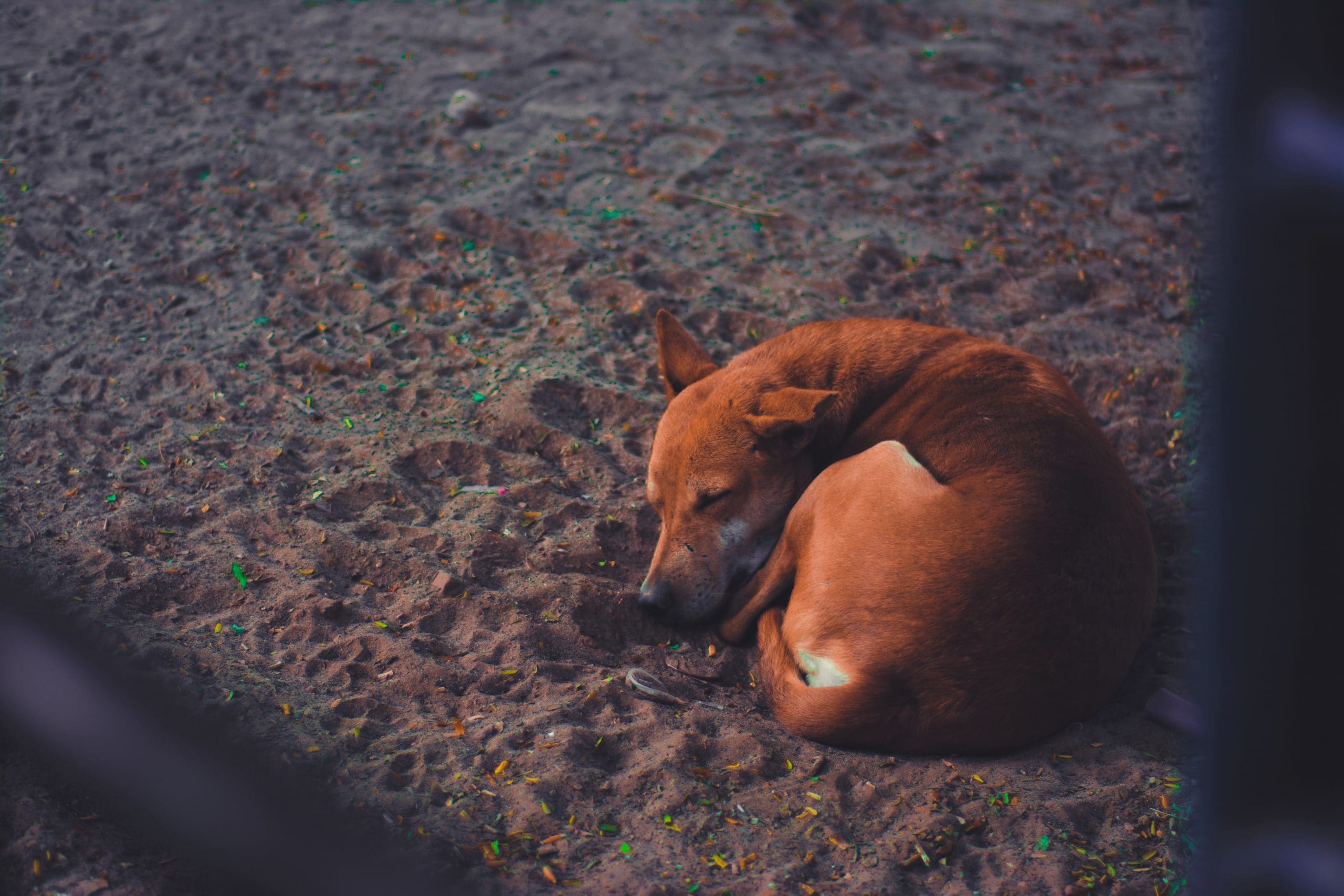
How to teach a dog to roll over?
Post Date:
January 17, 2026
(Date Last Modified: February 5, 2026)
Teaching a dog to roll over is a classic trick that appeals to many dog lovers because it looks impressive, is fun to teach, and can be a useful exercise in focus and coordination. With a calm, stepwise approach, most dogs can learn the move without stress; with the wrong expectations or unsafe technique, however, it can be uncomfortable or risky for some animals. Below are practical reasons, a concise method to get started, the learning principles behind the behavior, safety considerations, and a detailed training sequence you can follow at home.
How ‘Roll Over’ Helps Your Dog — skills, focus and stronger bonding
Roll over is as much a training exercise as a party trick. When taught well, it offers mental stimulation that asks a dog to combine position control, body awareness, and attention to the handler. For many owners, it’s an enjoyable way to show what the dog has learned to family and friends. Beyond entertainment, the process of teaching a multi-step behavior like roll over can strengthen the relationship between owner and dog because it requires predictable, consistent cues and warm reinforcement—elements that breed trust.
I typically see shy or timid dogs gain confidence through short, successful training sessions. Each small success—holding a down, shifting onto the side, completing a partial roll—appears to help them focus on the owner and anticipate positive outcomes. That pattern of solving a simple problem and being rewarded is a form of enrichment; it may reduce boredom and provide a safe outlet for the dog’s attention and energy.
Finally, roll over can be used diagnostically in a gentle way: a dog that hesitates to roll may be indicating stiffness or discomfort. If that happens, the pause is useful information that may suggest a veterinary check before continuing intensive training.
Teach ‘Roll Over’ in a few easy moves: the core method
- Start from a reliable “down” position so the dog is relaxed and stable.
- With a high-value treat at the dog’s nose, lure the head across the chest so the dog rolls onto its side.
- Move the treat in a slow, circular motion from the side toward the shoulder to encourage a full roll.
- Mark or click and reward every small step—side, half-roll, full roll—so the dog understands progress is reinforced.
- Add a short verbal cue like “roll over” as the behavior becomes repeatable, then gradually reduce the physical lure.
Those steps let you begin straight away: the lure and reward make the desired movement clear, marking helps timing, and gradually fading the lure teaches the dog to respond to the voice cue alone.
What motivates dogs to learn tricks — instincts, rewards and enrichment
Training rests on simple learning principles. Operant conditioning means behaviors followed by pleasant outcomes are more likely to repeat; in practice, your timing of the reward or click is what links the movement to the positive consequence. Attention from an owner and social reinforcement—praise, gentle petting, or simply the handler’s focused presence—also strengthen learning. Dogs are social learners and often do the behavior to maintain proximity and a positive relationship with their person.
There’s a physical side too. Rolling requires coordinated rotation of the thoracic spine and shoulder movement; dogs recruit neck and shoulder muscles as they tuck the head and shift weight. For this reason, the trick is not purely cognitive: it has biomechanical demands. Cognitive benefits may include improved working memory and the ability to chain actions together—skills that transfer to other training tasks and enrich a dog’s daily life.
Is ‘Roll Over’ right for your dog? When to teach it (and when to wait)
Start roll over only after the dog reliably offers basic obedience such as “sit” and “down.” A stable down is the platform for the next steps and reduces the chance the dog will bolt or become overly excited. Pick moments when the dog is calm and motivated by treats—not exhausted, not highly excited, and not distracted by visitors or other animals.
Choose a flat, non-slip surface with room to move. Avoid training outside on hot pavement, immediately after a heavy meal, or when the dog is showing signs of illness or heat stress. Puppies with immature bones and some senior dogs with stiffness or arthritis may not be appropriate candidates; in those cases, alternative enrichment exercises that avoid spine rotation are a safer option.
Safety checklist: pain signals, common risks and when to stop
Before teaching rolling, consider the dog’s medical history. Pre-existing issues such as cervical or thoracic spine problems, hip dysplasia, or arthritis may make rolling uncomfortable or harmful. If the dog has a known musculoskeletal condition, check with your veterinarian first. The movement itself places torque on the spine and shoulders and may reveal underlying pain that was not obvious during everyday activity.
Watch for behavioral and physical signs that training should stop. Sharp yelping, sudden avoidance of the handler’s hand, stiffness, limping, an abnormal gait, or reluctance to lie down are reasons to pause and seek veterinary advice. If the dog begins coughing, shows breathing difficulty, or has a sudden change in temperament—irritability, snapping, or fear—end the session and consult your vet or a qualified trainer.
Very young puppies still developing coordination or senior dogs with decreased mobility are not ideal for full rolling. For those dogs, aim for partial movements or alternative tricks that keep joints in safer ranges, such as “spin” (standing turn) or “targeting” on the paw.
Progressing to a reliable roll: from luring to fluent performance
1) Establish a reliable “down.” The dog should hold a calm down for several seconds and accept a gentle hand near the neck and shoulder without bracing. If the down is unstable, spend sessions reinforcing that first.
2) Lure the head across the chest. With the dog in down, present a low-value treat at the nose, then move it slowly across the chest toward the opposite shoulder. The dog’s head will follow the treat and the spine should begin to rotate so the dog can rest on the side. Reward as soon as the dog reaches the side position.
3) Shape partial rotations. Once the dog reliably goes to the side, start encouraging a bit more rotation by moving the treat in a slightly larger arc. Reward each progression: side, quarter roll, half roll, three-quarter roll, full roll. Reinforce small gains; a hesitant dog will respond better to many small rewards than to repeated attempts that fail.
4) Use a marker. If you use a clicker or a consistent word like “yes,” mark the precise moment the dog’s shoulders or hips begin to rotate. Clear timing helps the dog associate a specific movement with the reward and speeds learning.
5) Add a verbal cue. Once the dog completes the full roll a few times consistently, introduce a short, distinct phrase such as “roll over” at the start of the lure. Only say the cue once the dog anticipates the action; this keeps the cue predictive rather than a prompt for guessing.
6) Fade the lure. Gradually reduce the prominence of the treat lure by using your hand without a treat, or by shaping with a smaller visible reward. Move from continuous reinforcement (treat every correct repetition) to intermittent rewards—every second or third repetition—to build reliability.
7) Generalize and proof. Practice in different rooms, at slightly different times of day, and with low-level distractions so the dog learns the cue across contexts. Keep proofing sessions short and positive. If the dog starts offering the roll in inappropriate situations, re-teach with clearer cues and management.
Set the scene: prepare a calm, distraction-free training space
Environmental control reduces accidental setbacks. Train in a quiet room where the dog feels comfortable and where foot traction is good. A non-slip mat or a carpeted area makes rolling easier and reduces the chance of slipping. Keep sessions brief—three to five minutes—and end on a success so the dog stays motivated. Multiple short sessions across the day are more effective than one long, exhausting practice.
Limit competing stimuli: other dogs, toys that cause over-arousal, or household traffic can derail learning. If other pets interfere, temporarily separate the training space. The fewer surprises during the early shaping stages, the faster the dog will link movement and reward.
Helpful tools: treats, clickers and mats that speed learning
Good tools can make timing and reinforcement smoother. Use high-value, soft treats cut into pea-sized pieces so your dog can quickly eat and return focus. A small treat pouch makes delivery faster and keeps the dog engaged. A clicker or a consistent verbal marker helps with precise timing; many owners find clicker training particularly effective for shaping multi-step behaviors. A non-slip mat or a yoga mat gives traction and a comfortable surface for rolling; avoid slick floors that can cause a dog to twist awkwardly. Finally, keep a towel or blanket handy if you need to gently guide an overexcited dog into a calmer down before attempting a new repetition.
Where this guidance comes from — sources and further reading
- American Veterinary Medical Association: “Choosing a Professional Dog Trainer” — AVMA, guidance on trainer selection and humane methods (avma.org)
- Certification Council for Professional Dog Trainers (CCPDT): “Standards and Learning Theory Resources” — materials on operant conditioning and ethical training practices (ccpdt.org)
- Karen Pryor Academy: “Clicker Training Fundamentals” — principles and exercises for shaping behaviors using positive reinforcement (karenpryoracademy.com)
- Hiby, E.F., Rooney, N.J., & Bradshaw, J.W.S. (2004). “Dog training methods: Their use, effectiveness and interaction with behaviour and welfare.” Applied Animal Behaviour Science, 95(3–4), 271–291.
- Merck Veterinary Manual: “Osteoarthritis (Degenerative Joint Disease) in Dogs” — overview of musculoskeletal conditions that may affect training (merckvetmanual.com)
