
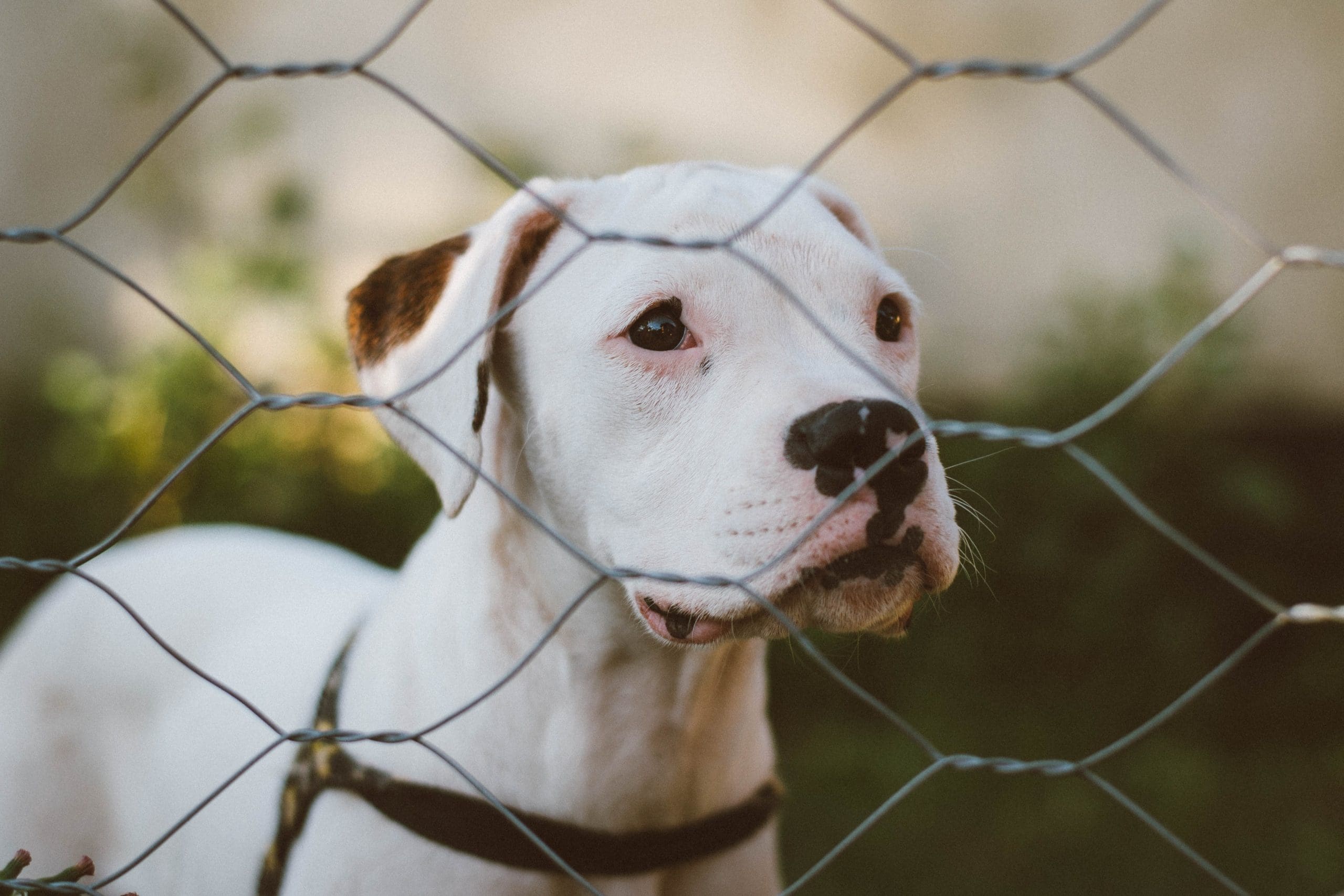
When is national dog day?
Post Date:
January 23, 2026
(Date Last Modified: February 5, 2026)
National Dog Day is more than a date on a calendar; for people who live with and care for dogs, it’s an opportunity to act, to learn, and to improve dogs’ lives in practical ways.
National Dog Day — why every dog lover should care
Celebrating the bond between people and dogs on a specific day helps move affection into action. National Dog Day can be a simple moment to publicly acknowledge that a dog is part of the family, and it also creates a predictable window for activities that benefit dogs beyond celebration. Adoption events and coordinated rescue drives are often scheduled around the date because the concentration of attention makes it easier to move animals from shelter kennels into homes.
Participation can be direct—volunteering at a shelter, fostering a dog, or making a targeted donation—or indirect, by amplifying vetted rescue organizations on social media. A clear, brief post that includes a rescue’s adoption link, two photos, and a short note about temperament or needs is often more useful than a generic “share.” Community events and fundraisers held on or near the day also tend to draw people who are ready to adopt or contribute; organizers often use the day to waive fees, run micro-fundraisers for medical care, or showcase behavior demonstrations that help match dogs to appropriate homes.
Date, history and how National Dog Day is celebrated
National Dog Day is observed each year on August 26. The holiday was established in 2004 by animal advocate Colleen Paige to both recognize dogs’ positive impact on our lives and to encourage adoption and rescue. Since its start, the date has been used by shelters, rescue groups, and pet businesses to organize concentrated adoption campaigns, educational events, and public awareness activities.
Different organizations and regions sometimes create their own companion events around the date: some countries have separate national days for dogs at other times of year, and local shelters may tie National Dog Day to a weekend festival or a neighborhood adoption fair so that more families can attend. Many adoption drives scheduled for late August use the day as a headline—expect fee-waived adoptions, meet-and-greets, and special social media push campaigns that spotlight individual animals ready for homes.
Beyond companionship: dogs’ roles, behavior and biological basics
Part of what National Dog Day highlights is the wide range of roles dogs occupy. Dogs commonly provide companionship, and the biochemical basis for close human–dog bonds is likely linked to increased oxytocin in both species during positive interactions; studies suggest this hormone can support attachment and calm. Beyond companion roles, dogs also work as service providers, therapy animals, detection dogs, herders, and search-and-rescue partners, and each role requires different handling, socialization, and care.
Communication in dogs relies heavily on body language—tail carriage, ear position, mouth tension, and the tempo of movements—and being able to read these signals helps prevent misunderstandings at crowded events. From a health standpoint, regular interaction with a dog is likely linked to measurable outcomes such as reduced perceived stress and short-term changes in blood pressure or heart rate for some people, but the magnitude and durability of those effects can vary by individual and situation.
Environmental timing and common triggers that affect dogs
Late August brings environmental realities that shape how National Dog Day is celebrated. Heat and humidity are common triggers for heat stress in many regions, and a dog’s tolerance varies with coat type, breed, age, body condition, and acclimatization. Crowds at parks, fairs, and shelter adoption events create higher sensory stimulation—noise, close proximity to other dogs, and unfamiliar handling—that can increase stress for a dog whose experience with such environments is limited.
Where you hold activities matters. Shaded park areas with spaced seating reduce heat exposure and allow stressed dogs an immediate quiet spot; indoor venues with air conditioning can help in very hot regions but sometimes introduce separate triggers like echoing noise or glass reflections. Travel to and from events, unpredictable foot traffic, and the presence of food vendors can introduce hazards, so planning routes, parking close to the venue, and selecting quieter times of day (early morning or later afternoon when temperatures are lower) usually leads to safer experiences.
Safety risks and red flags to watch for
When you take a dog into a public celebration, the most immediate medical risk in late August is heat-related illness. Signs include excessive panting, drooling, glazed eyes, uncoordinated movements, collapse, or vomiting. Early recognition and prompt cooling can be lifesaving. I typically recommend knowing where the closest veterinary clinic will be before attending a large event.
Behavioral red flags deserve equal attention. Stiff body posture, fixed stare, whale-eye (showing the whites of the eyes), tucked tail, and growling are signs that a dog is uncomfortable and may escalate to a bite if not given space. Other signs of illness or injury—sudden lameness, blood, obvious wounds, or lethargy—should prompt veterinary assessment. Finally, ingestion risks at public events include discarded food, chicken bones, wrappers, and human snacks that are toxic; keeping a close eye on what your dog sniffs or picks up is essential.
How owners should prepare and act on National Dog Day
-
Pre-event checklist: Confirm your dog’s ID tag lists a reachable phone number and consider a recent photo in case of separation. Verify core vaccinations are up to date for shelter or group settings, pack any regular medications, and have a basic plan for transport if your dog becomes stressed or injured. If you’re adopting or volunteering, bring proof of address and any adoption paperwork shelters request.
-
Day-of care: Bring a collapsible water bowl and at least twice your dog’s usual amount of water for the expected duration. Provide frequent, short breaks in shade or a quiet vehicle (with ventilation) and supervise all interactions—don’t rely on strangers to read your dog’s signals. Limit total exposure time; some dogs tolerate an hour in that environment, others need just 10–20 minutes before showing stress.
-
Adoption-support steps: If you can’t adopt, consider fostering temporarily, donating targeted items from a shelter’s wish list, or volunteering for tasks such as transport, intake cleaning, or socialization walks. Even sharing accurate, recent photos and a short behavioral note about a specific dog on social media can increase that dog’s visibility to potential adopters.
-
Post-event recovery: Offer a calm, familiar space and a normal feeding schedule. Monitor for delayed signs of heat stress (panting, vomiting) or behavioral shifts (withdrawal, increased reactivity). If anything seems off, a low-threshold check with your veterinarian is a pragmatic choice—early intervention is usually less invasive and less expensive.
Training tips and environment management for a calmer celebration
Training ahead of an event pays dividends. Reliable recall and comfortable loose-leash walking reduce the risk of sudden pulls into traffic or toward other dogs. Short, frequent training sessions that include exposure to crowds and noises in a controlled way help dogs build tolerance; systematic desensitization paired with positive reinforcement is usually effective when started weeks before an anticipated busy outing.
Create escape routes and quiet areas during events. I advise bringing a crate or portable playpen that the dog already sees as a safe place—novel crates at an event may feel threatening. For dog-to-dog introductions, approach calmly at a slight angle, allow dogs to sniff briefly on loose leashes, and watch for softening signals; if either dog stiffens, separate and give both a break. For dogs with a history of reactivity, use distance management and consider professional guidance before attending crowded events.
Recommended safe gear: equipment vets and trainers trust
-
Proper-fitting harness (front-clip for pullers) and a short, secure leash—avoid retractable leashes in crowds.
-
Visible ID tag and a verified microchip registration with current contact information.
-
Collapsible water bowl and at least one spare liter of water for long events, plus a small towel for cooling.
-
Cooling aids appropriate for the dog: evaporative cooling vest or mat (use as directed) and knowledge of safe cooling techniques—never use ice directly on a heat-stressed dog without veterinary guidance.
-
Compact first-aid kit with gauze, adhesive tape, styptic powder for nail bleeding, antiseptic wipes, and a phone number for the nearest emergency clinic.
Sources, studies and further reading
- American Veterinary Medical Association (AVMA): Heatstroke in Dogs — guidance on recognition and first aid
- Merck Veterinary Manual: Heatstroke in Dogs — clinical overview and treatment approaches
- ASPCA Animal Poison Control: People Food to Avoid Feeding Your Pet — common toxic items at public events
- National Dog Day official website: About National Dog Day and partner adoption resources
- American Veterinary Society of Animal Behavior (AVSAB): Position Statements on Puppy Socialization and Shelter Dog Handling
