
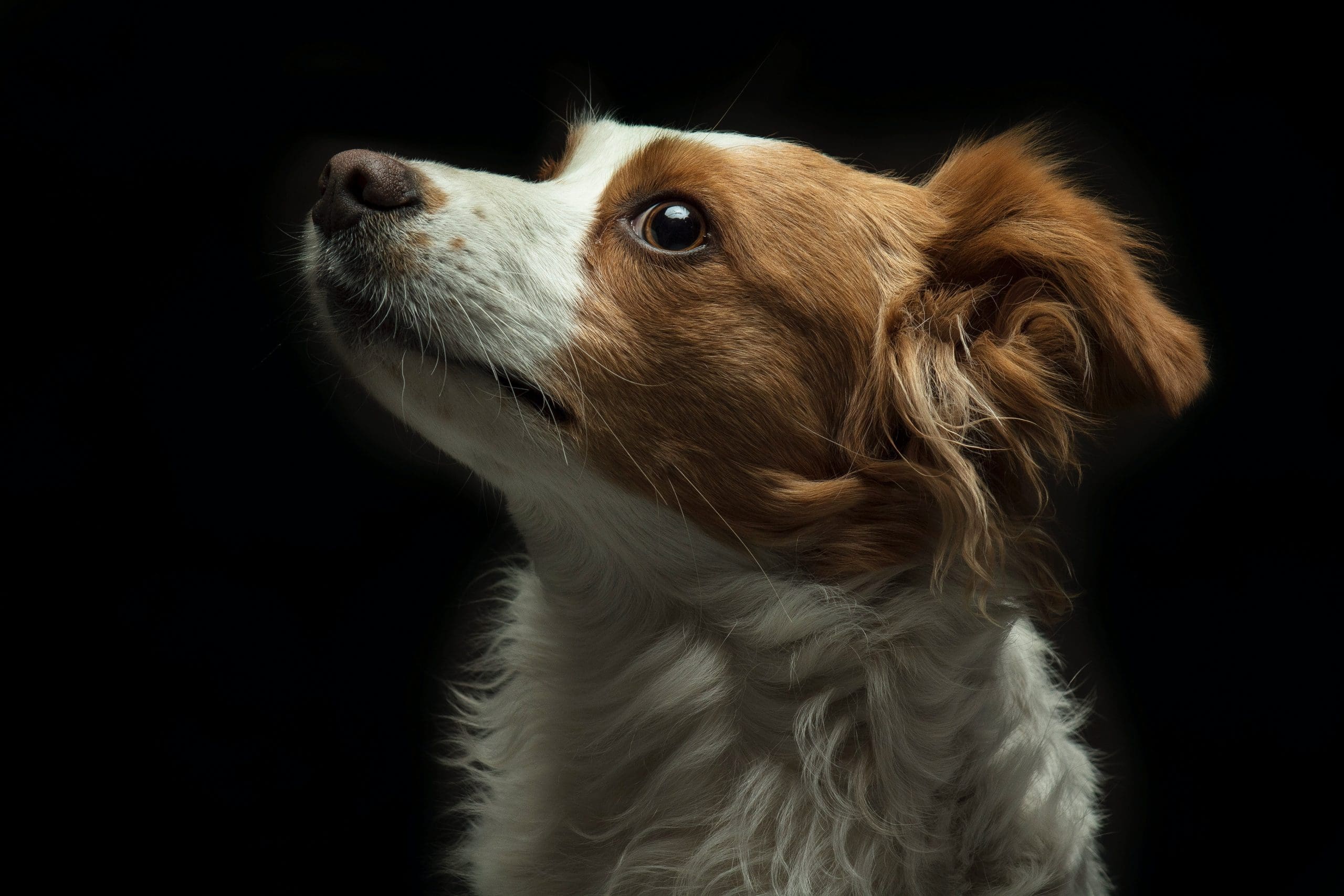
How long can dogs hold their pee?
Post Date:
January 19, 2026
(Date Last Modified: February 5, 2026)
When a dog pees on a different schedule than you expect, it’s not just an inconvenience — it often signals something about their health, comfort and the household routines that shape their day. For busy owners, knowing roughly how long a dog can comfortably hold urine helps prevent indoor accidents, reduces stress for both dog and person, and makes outings, travel and overnight planning easier. I typically see owners who work long shifts underestimate how much a dog’s age, training and medical status affect bladder control, which increases the chance of accidents and missed opportunities for bonding during walks.
Practical situations where timing matters include house training a puppy, planning road trips and hotel stays, and caring for older dogs whose needs can change quickly. In apartments, a dog may need more frequent access to an area to urinate than a yard-dwelling dog; on long workdays, establishing a reliable middle-of-day break can prevent soiling; and at night, a predictable routine can protect sleep for everyone. Being attentive to timing also helps you spot subtle changes that may indicate infection, kidney disease or behavioral issues before they become severe.
How long is normal? Typical hold times by age, size and breed
Here are simple, practical guidelines you can use when planning breaks. These are rules of thumb and individual dogs may vary.
- Puppies: about one hour per month of age is a common guideline — a two-month-old puppy often needs a break every two hours; a four-month-old one around every four hours. Expect accidents while learning.
- Adult dogs (healthy): many can wait roughly 6–8 hours between opportunities, especially if they are used to a routine and are not drinking excessively. Some well-trained adults may manage 8–10 hours occasionally, but routine stretches beyond eight hours raise the risk of accidents and bladder stress.
- Seniors or dogs with medical issues: hold times are often shorter and may require hourly or every-few-hours breaks. Conditions that increase urination frequency can make even frequent outings inadequate unless treated.
- Overnight: depending on age, training and health, 6–10 hours overnight is a reasonable expectation for many dogs; very young puppies and many seniors usually need a night break.
What’s behind the urge: medical, behavioral and environmental causes
Urination is driven by physiology and communication. The bladder stores urine produced by the kidneys; how long it can hold depends on volume and muscle control. Bladder size scales with body size, so a small dog’s bladder fills faster than a large dog’s. Puppies’ nervous systems and pelvic muscles are still developing, so they have limited sphincter control and less predictable signaling.
Hormones and kidney function also play a role. Antidiuretic hormone (ADH) helps concentrate urine and reduce output overnight, so changes in hormone levels or kidney function may increase frequency. In some illnesses — for example, urinary tract infection, diabetes or kidney disease — urine production or urgency may be higher, and changes in pattern may be an early sign. Beyond physiology, dogs use urine to communicate territory and reproductive status; marking behavior or excitement-related urination can occur even when the bladder is not full.
Common triggers — when and why your dog suddenly needs to pee
Knowing common triggers helps you predict when to offer a break and what to watch for.
- Fluid intake and meals: drinking a large amount or a recent meal often increases urine production within an hour or two.
- Exercise and excitement: running, visitors, or play can stimulate urgency or marking; some dogs may urinate when greeting people from excitement.
- Temperature and panting: in hot weather dogs may lose water by panting and then drink more, which can change urination timing.
- Medications and illness: diuretics, steroids or conditions like diabetes and kidney disease can raise urine frequency; changes in routine such as travel or boarding can also trigger different patterns.
Red flags: signs your dog may need veterinary attention
Changes in how often a dog urinates, the odor, color or the way they go can point to medical problems. A sudden increase in frequency, new accidents in a previously reliable dog, or incontinence that appears overnight could suggest infection, inflammation or other disease and should prompt attention.
Watch for straining, vocalizing, persistent licking of the genital area, blood in the stream, cloudy or foul-smelling urine, or signs of pain. Excessive thirst paired with more frequent urination may indicate metabolic problems like diabetes. Lethargy accompanying urinary changes increases concern. I usually advise owners to treat these signs as reasons to contact their veterinarian promptly rather than wait multiple days.
Immediate actions for a full bladder: safe steps owners can take now
If you notice a worrying change, start with simple, practical actions. Offer an immediate outdoor break and observe the dog: note the amount passed, color and whether the dog strains or seems uncomfortable. Take a clear note or photo of urine color if that’s easy — this helps tracking and vet conversations.
Keep a short record of timing and frequency for 24–48 hours: when the dog drank water, when it urinated, how long since the last break, and any unusual signs. If your veterinarian asks for a urine sample, follow their instructions exactly: many clinics recommend catching midstream urine in a clean, labeled container and keeping it chilled until delivery. Contact your vet right away if there is blood, severe straining, persistent inability to urinate, or sudden collapse — these can be emergencies.
Building better bathroom habits: training, schedules and practical routines
Most dogs can learn a schedule that reduces accidents and lengthens comfortable hold times. Begin by creating a predictable potty routine: first thing in the morning, after meals, before and after long periods of confinement, and shortly before bedtime. For owners returning to work, a midday walker or dog-sitter can make a big difference for puppies and many adults.
Crate training may help because most dogs resist soiling their sleeping area; use a crate sized to allow the dog to stand and turn but not lie with a separate toileting corner. Increase crate time gradually — add short increments and reward calm behavior — rather than sudden long periods. When a dog eliminates outside, offer immediate praise or a small treat so they learn the desired location. For evening routines, consider limiting heavy water intake 1–2 hours before bed only if the dog is otherwise well hydrated; always prioritize overall hydration above strict timing, especially in puppies and seniors.
Helpful tools and supplies — leashes, pads and products that make relief easier
Practical supplies can make managing bladder needs easier and cleaner. Indoor options like absorbent pads or small turf patches are useful for temporary situations such as recovery after surgery, when travel options are limited, or during a training period. For dogs with incontinence or males who mark, belly bands or dog diapers can protect furniture — used alongside veterinary treatment when appropriate rather than as a long-term substitute for medical care.
Choose enzymatic cleaners for any accidents: they break down organic odor molecules and reduce the chance the dog will re-mark the same spot. If your living situation allows, installing a dog door can give a reliable way for dogs to relieve themselves when you’re not home, and a timed feeder can regularize water and meal times so that urine production becomes more predictable. For seniors or dogs with mobility issues, a shallow ramp or a non-slip surface to the usual potty area can reduce pain-associated delays in reaching the spot where they can urinate.
Where this information comes from — key studies and further reading
- American Veterinary Medical Association (AVMA), “House-soiling and Inappropriate Urination in Dogs,” AVMA, guidance and client resources on recognizing and managing elimination problems.
- American Animal Hospital Association (AAHA), “Senior Care Guidelines for Dogs and Cats” (2019), recommendations for monitoring and managing age-related changes including urinary function.
- Merck Veterinary Manual, “Urinary Incontinence in Dogs” and “Urinary Tract Infections in Small Animals,” veterinary reference covering causes, diagnosis and treatment options.
- Ettinger, S.J. & Feldman, E.C., Textbook of Veterinary Internal Medicine: Diseases of the urinary tract — comprehensive clinical guidance used in veterinary practice.
- Journal of Veterinary Internal Medicine, selected articles on prevalence and risk factors for urinary incontinence and lower urinary tract disease in dogs (peer-reviewed evidence for clinical patterns and outcomes).
