
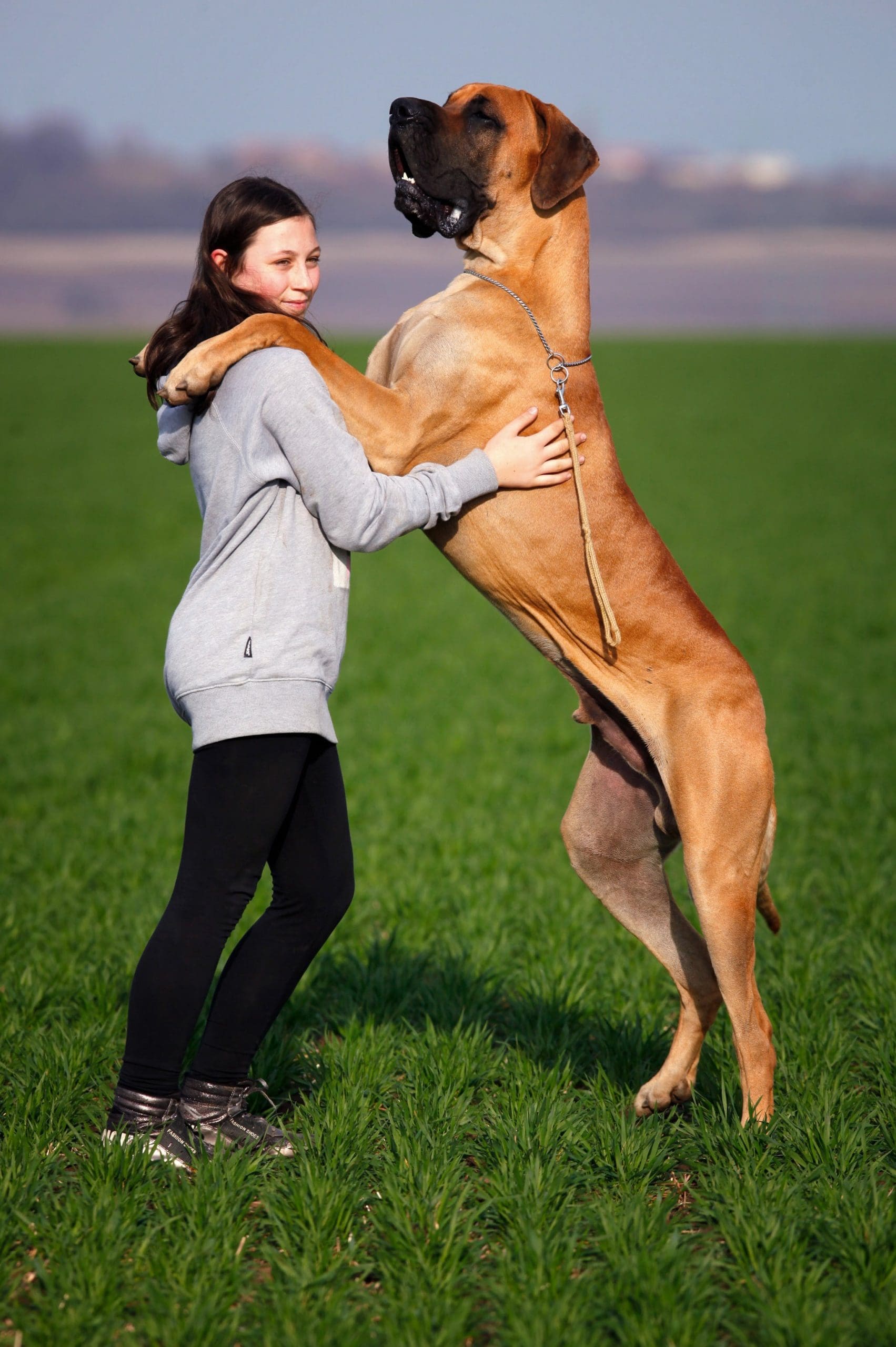
How to stop dog shedding?
Post Date:
January 19, 2026
(Date Last Modified: February 5, 2026)
Shedding is one of those realities of dog ownership that can be managed much more easily when you understand who it most affects, what to do right away, and when the hair loss might indicate a problem. Below I lay out practical steps and the reasoning behind them so you can reduce loose fur in the home while keeping your dog comfortable and healthy.
Who’s affected: breeds, life stages and owner situations
This matters if you care about a clean home, if someone in the house has allergy sensitivities, or if you manage several dogs. Pet owners with indoor allergy concerns often need to reduce airborne dander and visible fur to keep symptoms down. Multi-dog households and breeders usually have more hair to manage and may need consistent coat care to keep animals comfortable and breeding stock healthy. New guardians are often surprised by seasonal changes; I typically see owners assume shedding is a diet problem when it is simply a predictable seasonal reset.
A fast checklist to curb shedding today
- Brush on a regular schedule that fits your dog’s coat—daily for long and double coats, a few times a week for medium coats, and weekly for short coats—to remove loose hair before it spreads.
- Check and improve diet and water intake: a balanced food with adequate protein and appropriate fatty acids, plus consistent hydration, supports skin and hair quality and can reduce excess shedding over several weeks.
- If shedding is sudden, patchy, or accompanied by itching, sores, or behavioral change, contact your veterinarian for an exam; this can rule out infections, parasites, hormonal imbalances, or allergies that require treatment.
Understanding why dogs shed: seasons, health and hormones
Shedding is a normal part of how mammals maintain their coat. Individual hairs go through a growth cycle made up of growth (anagen), transition (catagen), and rest (telogen) phases. When hair reaches telogen it can be shed and replaced by a new shaft—this cycle timing varies by breed and individual, which is why some dogs shed steadily and others shed heavily at defined times.
Hormones appear to play a role in the timing and amount of shedding. Reproductive hormones, thyroid activity, and stress hormones are all likely linked to hair growth cycles in dogs; when these shift, shedding often changes too. It’s one reason why pregnant or recently spayed females, or dogs with thyroid problems, may show altered coat condition.
Shedding also helps remove old, damaged hair and keeps the coat functioning. Skin and coat health depend on a mix of nutrition, grooming, and environmental factors; if the skin is healthy and the coat is being maintained, shedding often looks like a regular, even thinning rather than patchy loss.
When shedding spikes — seasonal and situational triggers
Seasonal shifts are the common cause most owners notice: increased daylight and warmer spring temperatures are likely to trigger heavier shedding as dogs drop their winter undercoat, and a smaller spike can occur in fall as air temperature and daylight change again. Indoor life can blur these rhythms—central heating and air conditioning may confuse the dog’s cues and produce more constant shedding.
Non-environmental triggers include stress, illness, and recent vaccinations. Stressful events like a move, boarding stay, or major change in routine can cause a temporary increase in hair loss. Illness—skin infections, parasitic infestations like fleas or mites, and systemic diseases—can all make shedding worse. When shedding is sudden or localized rather than symmetrical and gradual, it is more likely to indicate a medical problem.
Red flags to watch for: when shedding suggests a health problem
Normal shedding is distributed fairly evenly across a dog’s body. You should be concerned if you see patchy bald spots, scabs, open sores, persistent or intense scratching, or if the coat becomes dull and brittle. Sudden, widespread hair loss that develops over days to weeks, or shedding that is paired with weight loss, lethargy, fever, or changes in appetite or behavior, may suggest an underlying systemic problem and should prompt veterinary attention.
Other red flags include secondary skin changes such as redness, crusting, or a heavy odor from the skin, which can indicate infection. I often advise owners that if grooming and nutritional changes don’t help within a few weeks, or if the dog’s comfort is affected, it’s time for diagnostics rather than more at-home treatment.
What owners should do first — and what to follow up with
Start by assessing the pattern and timeline: is shedding seasonal and gradual, or sudden and patchy? Look for signs of skin disease and note any recent changes in routine, diet, grooming products, or exposure to new animals. Photographs taken weekly can help you and your veterinarian judge progression.
Brush according to coat type and use the right tools. For double-coated or long-haired dogs I recommend daily brushing with a de-shedding tool plus a slicker brush to remove the undercoat gently; for short-haired breeds, a rubber curry or bristle brush a few times a week is usually adequate. Brushing removes loose hair before it spreads, stimulates skin circulation, and lets you check for parasites or lesions.
Diet matters. A full, species-appropriate diet with enough high-quality protein and essential fatty acids supports healthy hair growth. Adding omega-3 and omega-6 supplements can reduce inflammation and improve coat sheen in some dogs, but these are best added after discussion with your veterinarian so dose and product quality are appropriate. Keep fresh water available—chronic low-level dehydration can make skin dry and brittle, increasing hair breakage.
If the shedding pattern is abnormal, consult your veterinarian for basic diagnostic testing. Common tests include skin scrapings to check for mites or fungal organisms, cytology for bacteria or yeast, and blood tests including a thyroid screen if hair loss is widespread and non-responsive to basic measures. The goal is to identify treatable causes rather than to chase symptoms with excessive grooming alone.
Control the home and habits: grooming, cleaning and training tips
Set up a grooming zone that is comfortable for the dog and easy to clean—near a tiled bathroom or an outdoor hose area during warm weather works well. Establish a regular cleaning schedule for floors, bedding, and upholstery; removing hair daily from sleeping areas prevents accumulation and reduces airborne dander.
Training the dog to tolerate and even enjoy grooming pays off. Use short, consistent sessions paired with treats and calm praise. I usually start with two-to-five minute sessions and build up to longer brushing as the dog becomes comfortable. Professional groomers can help with handling issues if your dog resists; a veteran groomer or behaviorist can provide techniques for anxious dogs.
Control indoor humidity and airflow: overly dry indoor air can dry skin, while poor ventilation can trap allergens. A humidifier in winter and good ventilation year-round may help skin retain moisture. Keep bedding washable and launder regularly on a hot cycle that’s safe for the material to reduce allergens.
Tools that work: brushes, vacuums and grooming products worth buying
- Slicker brush and undercoat rake for long or double coats; de-shedding tools like the Furminator may help remove loose undercoat when used gently and not overused.
- Rubber curry combs or bristle brushes for short-haired breeds; these can lift loose hair and distribute natural oils.
- High-quality vacuum with a motorized brush head and HEPA filtration, lint rollers, and washable throws for furniture to reduce hair tracking around the home.
Bathing can reduce loose hair temporarily by washing out dead hairs, but frequent bathing or harsh shampoos can dry skin and worsen hair breakage. Use shampoos designed for canine skin or those with moisturizing ingredients (oatmeal, gentle conditioners) and only bathe on a schedule that your veterinarian recommends for your dog’s skin type.
A final word about grooming choices: shaving double-coated breeds is often not recommended because it can alter the coat’s insulating properties and sometimes lead to patchy regrowth; this is breed- and individual-dependent, so discuss it with a groomer or veterinarian before deciding.
References and expert sources
- Merck Veterinary Manual: “Alopecia (Hair Loss) in Dogs” — Merck Veterinary Manual, searchable clinical overviews and treatment recommendations.
- American Veterinary Medical Association (AVMA): “Coat and Skin Care for Dogs” — practical guidance on bathing, grooming, and skin problems from AVMA pet care resources.
- World Small Animal Veterinary Association (WSAVA) Global Nutrition Committee: “Nutritional Assessment Guidelines” — recommendations on diet, essential fatty acids, and nutritional support for skin and coat health.
- Veterinary Dermatology (journal): “Canine Hair Cycle and Alopecia” — review articles covering hair growth phases and dermatologic causes of hair loss.
- Journal “Nutrients”: review on “Omega-3 Fatty Acids and Skin Health in Dogs” — evidence summaries on supplementation and coat condition.
