
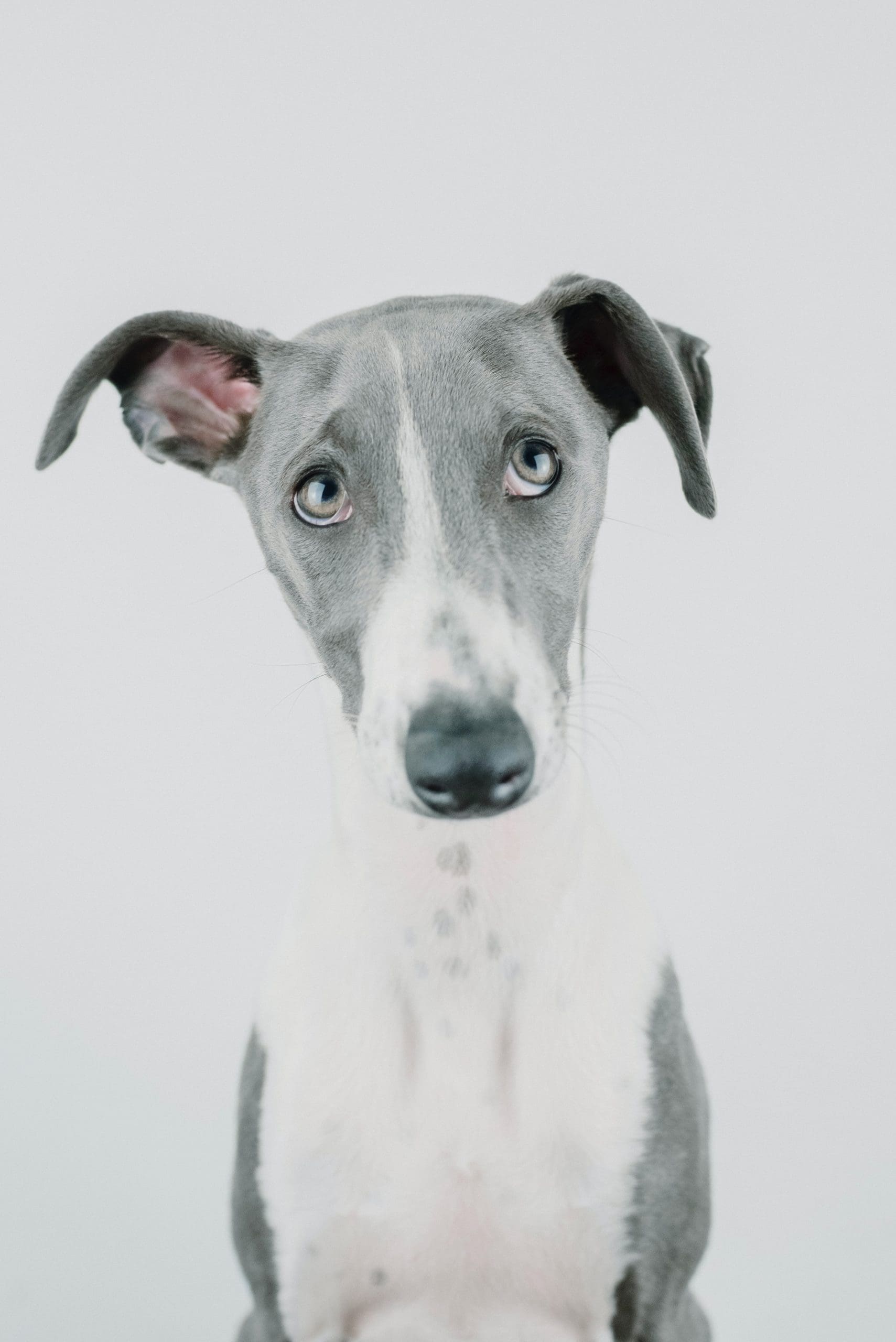
What can dogs not eat?
Post Date:
December 17, 2025
(Date Last Modified: February 5, 2026)
Knowing what dogs cannot eat matters more than it might at first glance. A moment of curiosity—an irresistible counter-surfed snack, a dropped treat at a party, or a single piece of a human dessert—can lead to hours in an emergency clinic, long-term organ damage, or worse. For devoted owners, understanding high-risk foods protects health, keeps care costs down, and preserves the calm that comes with being prepared.
Protecting your pup: the real stakes of unsafe foods
Most owners I work with want their dogs to enjoy the good things in life. Typical scenarios I see include a puppy sampling a family member’s peanut butter, a senior dog investigating the compost, or a dog at a barbecue finding a discarded dessert. In each case the owner thought the food was harmless because they share it with people.
Many common human foods that feel “safe”—a grape from a fruit bowl, a square of dark chocolate, or a lick of sugar-free gum—are ones I repeatedly see in toxicology calls. The emotional fallout can be severe: guilt, panic, sleepless nights, and sometimes difficult medical decisions. Practically, even a single toxic ingestion can mean a high vet bill and intensive monitoring. Learning the high-risk items and how to prevent exposure buys peace of mind and often avoids emergencies entirely.
Foods to never feed your dog (chocolate, grapes, xylitol and more)
- Chocolate, cocoa, and other theobromine-containing items — Dark and baking chocolate contain higher levels of methylxanthines and are especially dangerous. Small dogs may show signs from just a few bites.
- Grapes, raisins, and currants — These can be linked to sudden kidney injury in dogs; the exact substance is unclear but even a small handful may be risky for some individuals.
- Xylitol-containing sweets, gum, and some peanut butters — Xylitol can cause a rapid release of insulin in dogs, leading to low blood sugar and, at higher doses, liver injury.
- Onions, garlic, chives — These allium vegetables and herbs contain compounds that may damage red blood cells and lead to anemia, especially with repeated exposure or concentrated forms like powders.
- Alcohol and raw yeast dough — Alcohols depress the nervous system; rising raw dough can expand in the stomach and release ethanol as yeast ferments, both potentially serious.
- Macadamia nuts — These nuts can cause weakness, tremors, and difficulty walking in dogs, typically for several hours to a day.
What happens inside your dog’s body after eating toxic foods
Dogs metabolize many substances differently than people, so something benign for us may linger or act more strongly in a dog’s body. This is partly because dogs lack or have lower activity of enzymes that break down certain compounds, so toxins can accumulate faster.
Specific toxic compounds explain much of the risk. Theobromine and caffeine in chocolate cause overstimulation of the nervous system and heart. Xylitol triggers a fast release of insulin in dogs, which lowers blood sugar and may lead to sudden weakness or seizures; it is also likely linked to acute liver problems in some dogs. Organosulfur compounds in onions and garlic can oxidize red blood cells, which may suggest why some dogs develop anemia after exposure.
How much causes harm depends on dose and size. A tiny dog that eats a large brownie can receive a much higher milligram-per-kilogram dose of theobromine than a large dog that licks a single chocolate chip. The same principle applies to xylitol and grapes: concentration and body weight change the picture. Underlying health conditions—like pre-existing liver or kidney disease—tend to make smaller doses more dangerous.
Target organs vary. Chocolate and caffeine primarily affect the nervous system and heart. Grapes and raisins commonly seem to target the kidneys. Xylitol is fastest on blood sugar and may also affect the liver. Onions and garlic primarily affect red blood cells. Recognizing which systems might be failing helps guide early treatment decisions.
When danger increases — puppies, seniors, small breeds, and health conditions
Household layout and daily routines shape exposure risk. Dogs with access to unsecured garbage, open cabinets, or low countertops are more likely to find harmful foods. Parties and holidays are high-risk times—guests may leave plates unattended, and buffet-style setups invite counter-surfing. I often advise owners to pay special attention during these events.
Individual factors matter. Puppies explore with their mouths and may be attracted to wrappers or dough; seniors may have reduced thresholds for toxins because of organ decline. Dogs with liver or kidney disease are more vulnerable because these organs are central to clearing toxins. Certain breeds or very small dogs receive higher doses per body weight from the same amount of toxin, so what’s tolerable for a Labrador may be dangerous for a terrier.
Medication and supplement misplacement also raises risk. A pill bottle left on a bedside table or a vitamin jar on a low shelf can look like a treat to a curious dog. Securing medicines and adult sweets is as important as putting away food.
How to recognize warning signs and red flags of poisoning
- Gastrointestinal signs — Vomiting, diarrhea, excessive drooling, or repeated lip-licking may be the first clues after ingestion. GI signs can appear within minutes to hours depending on the substance.
- Neurologic signs — Tremors, muscle twitching, disorientation, restlessness, and seizures are red flags for substances affecting the brain or causing low blood sugar.
- Cardiopulmonary signs — Rapid or irregular heartbeat, panting out of proportion to activity, or difficulty breathing suggest involvement of the heart, lungs, or severe systemic distress.
- Systemic signs — Weakness, collapse, abnormal urination patterns (very low or very high output), jaundice, or unexplained bleeding indicate a serious, possibly life-threatening problem and need urgent attention.
Immediate steps to take if your dog swallows something harmful
Step one is to stay calm and remove the dog from the source: move them away from the food or trash and secure the item so you can show it to veterinary staff. Quickly note what was ingested, how much you think the dog ate, and when it happened—pictures of wrappers or the container are extremely helpful for diagnosis.
Call your veterinarian or an animal poison control hotline right away. These services can give targeted advice based on the substance and the size and health of your dog. I typically recommend this call before attempting any home remedies, because a response that’s appropriate for one toxin might be harmful for another.
Avoid unadvised actions: do not induce vomiting unless instructed by a veterinarian or poison control, and do not give over-the-counter antidotes or medications without professional guidance. In some cases, inducing vomiting at home can make a situation worse (for example, if a sharp object or caustic substance was ingested).
If advised to transport to an emergency clinic, bring the packaging, any remaining food, and notes on the timing and amount. Be prepared for monitoring and blood tests; sometimes immediate-looking dogs develop delayed problems that require observation.
Everyday prevention: training, storage, and mealtime habits
Prevention rests on consistent routines. Store all human food, gum, and medicines in high, closed cabinets or locked containers. I recommend treating certain pet-safe foods as special rewards and keeping human snacks entirely out of reach to avoid accidental sharing.
Training reduces temptation. A reliable “leave it” cue, practiced with low-value and high-value items, can stop a dog before they reach a hazardous snack. Impulse-control exercises, short daily sessions of “wait” before meals, and practicing recall in distracting environments build the self-control that prevents many emergencies. I find owners get the best results by short, frequent practice sessions integrated into daily life.
Supervision plans are practical: use safety gates or crates during busy gatherings, clip a lightweight tether when guests are moving through food areas, and have a designated adult to monitor the dog when food is present. When walking, keep dogs on a short leash in areas with dropped food or grape vines.
Offer safe treat alternatives: pasteurized plain peanut butter (without xylitol), store-bought dog treats vetted for ingredients, plain cooked lean meats, carrot sticks, and apple slices without seeds are usually good choices. Introduce any new food slowly and in small amounts to watch for unexpected sensitivities.
Practical products that reduce accidental ingestion at home
Small investments can prevent large problems. A pet-proof trash can or a can with a locking lid reduces scavenging. Childproof cabinet locks are inexpensive and effective for blocking access to lower drawers or under-sink areas. Treat-dispensing toys and puzzle feeders keep dogs busy and reduce counter interest.
For control in the house, a safety gate to keep dogs out of the kitchen during meal prep or parties is helpful, as are well-fitted crates used as a calm space rather than punishment. A leash or harness with a short lead is useful when moving through crowded areas. Keep a basic pet first-aid kit visible—gloves, gauze, a small flashlight, and phone numbers for your vet and poison control—and post emergency contacts where family or guests can find them.
Expert sources and further reading
- ASPCA Animal Poison Control Center: “Pet Poison Control — Foods and Drugs” (https://www.aspca.org/pet-care/animal-poison-control)
- Pet Poison Helpline: “Common Toxins in Dogs and Cats — Xylitol and Other Foods” (https://www.petpoisonhelpline.com/poison/xylitol/)
- American Veterinary Medical Association (AVMA): “Recognizing and Responding to Pet Poisoning” (https://www.avma.org/resources-tools/pet-owners/petcare/recognizing-and-responding-pet-poisoning)
- Merck Veterinary Manual: “Chocolate (Methylxanthine) Toxicosis in Dogs and Cats” (https://www.merckvetmanual.com/toxicology/)
