
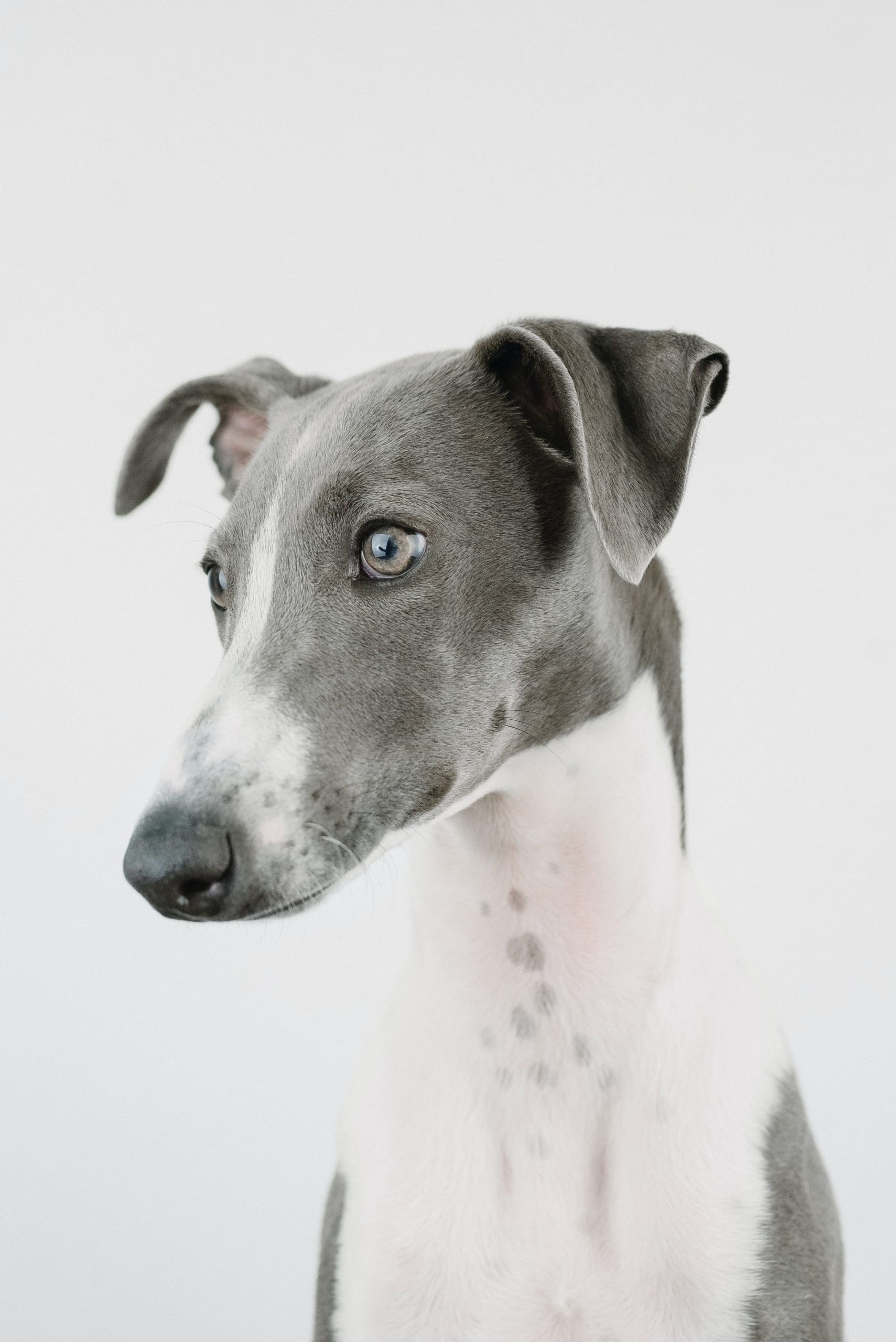
How to clean dogs ears?
Post Date:
December 23, 2025
(Date Last Modified: February 5, 2026)
Healthy ears matter for a dog’s comfort, behaviour and hearing. Routine ear care can prevent pain and chronic problems that are often easy to miss until a dog is already uncomfortable. This guide gives a practical, veterinarian-minded plan you can use right away, explains why ears make wax and how cleaning interacts with that system, and walks through common trouble spots and what to do about them.
Keep them happy and healthy: the benefits of regular ear care
Owners usually clean ears because of dirt, an unpleasant smell or repeated infections. I typically see pet guardians notice something only when their dog scratches a lot or a bath turns into a smelly situation. Regular checks and simple cleaning help keep small problems from becoming painful infections that need prescription treatments.
Certain dogs benefit more from routine attention. Breeds with long, floppy ears—like Cocker Spaniels, Basset Hounds and many spaniels—tend to trap warmth and moisture, which may encourage yeast or bacterial growth. Dogs that love water, such as retrievers, can carry moisture into the canal after swims. Even upright-eared breeds can develop issues, especially if they have allergies or lots of hair in the canal.
Everyday moments call for extra vigilance: after a swim, following a bath, during allergy season when ears may redden, or after grooming that exposes more canal hair. Addressing ear care as part of your routine reduces the chance of painful flare-ups and helps maintain your dog’s hearing over time.
How often should you clean your dog’s ears — and the essentials to know
As a practical rule: check ears weekly. Clean them only as needed rather than on a strict daily schedule. For upright ears that stay dry, cleaning every 4–6 weeks is often sufficient. For floppy or water-loving breeds, a gentle check and possible clean every 1–2 weeks may be appropriate. Adjust frequency based on smell, visible debris or your veterinarian’s advice.
Do use a gentle, vet-approved ear cleaner and soft materials to wipe the outer canal and pinna. Do keep sessions calm and brief. Don’t insert cotton swabs into the ear canal—these can push debris deeper and risk damaging the eardrum. Don’t use alcohol or hydrogen peroxide routinely unless directed by your vet; they may sting or dry the canal excessively. Skip home cleaning and see a vet if the ear looks swollen, smells very foul, or your dog shows signs of pain or hearing loss.
Inside the ear: a simple guide to canine anatomy and how it works
A dog’s external ear includes the pinna—the visible flap of ear—and the external ear canal. The canal in dogs is more L-shaped than in people: a vertical portion that drops down from the opening and a horizontal portion that leads to the eardrum. That shape can trap moisture and debris, especially in deeper, floppy ears.
Ears produce cerumen, commonly called earwax, which likely plays a protective role. Wax may trap dirt, contain antimicrobial components, and help the ear shed dead skin. Dogs also have subtle self-cleaning mechanisms: jaw movements and normal airflow can help move debris outward over time. Excessive cleaning can remove beneficial wax and disturb that balance, while too little cleaning can allow buildup that changes the ear environment and may encourage infection.
Understanding this helps explain why cleaning aims to remove obvious debris and moisture without stripping the canal or causing trauma. The goal is balance: keep ears dry and free of gross contamination while preserving the canal’s natural defenses.
What sets ear problems off: common triggers and risk factors
Moisture is a top trigger. Swimming, bathing, or getting a lot of water in the ear during play may leave moisture in the vertical canal that is slow to evaporate; this may increase the risk of yeast or bacterial growth. After water exposure, it’s wise to check the ear and gently dry the outer portions—but avoid aggressive drying deep inside the canal.
Breed anatomy contributes as well. Dogs with droopy ears create a darker, warmer microenvironment that may be more hospitable to microbes. Dogs with lots of hair in the canal can trap debris; in some of these dogs, my recommendation is light plucking or trimming by a groomer or veterinarian to improve airflow, though opinions vary and it’s best guided by a professional familiar with your dog.
Allergies often show up in the ears. Food or environmental allergies can cause inflammation that makes the ear canal more prone to secondary infections. Ear mites are another trigger, especially in puppies or multi-pet households; they may cause intense scratching and dark, granular discharge. Seasonal itch or systemic skin disease can set the stage for repeated ear problems, so ear care sometimes needs to be part of a larger skin-management plan.
Urgent signs: when your dog’s ear needs a veterinarian now
Some signs suggest immediate veterinary evaluation. A strong, foul odor or thick, colored discharge often accompanies bacterial or yeast infections and should prompt a visit. If your dog winces, yelps, flinches when you touch the ear, or repeatedly paws at the ear and shakes the head, these are likely pain indicators that deserve prompt examination.
Chronic or recurring ear disease—ears that improve briefly then relapse—may suggest an underlying allergy, endocrine disorder, or structural problem and should be investigated. Sudden hearing loss or balance changes (tilting head, stumbling) may indicate middle- or inner-ear involvement and is a reason to see a vet quickly.
A calm at-home ear-cleaning routine you can follow
- Gather supplies: vet-approved ear cleaner, cotton balls or gauze, towels, and treats. Have a helper if your dog is large or especially squirmy.
- Calm and secure your dog. Work in a quiet space, use treats to reward calm behavior, and keep sessions short. For fearful dogs, do handling drills on separate days before starting full cleanings.
- Inspect visually. Lift the pinna and look for redness, swelling, discharge, foreign material, or a strong odor. If you see any of those, stop and consult your veterinarian before attempting deeper cleaning.
- Apply the cleaner into the ear canal according to the product instructions—usually a few drops. Gently massage the base of the ear for about 20–30 seconds so the cleaner can loosen debris; you should hear a squishing sound.
- Allow your dog to shake its head; that helps expel loosened material. Use cotton balls or gauze to wipe out the visible debris from the vertical canal and pinna. Replace cotton as it becomes soiled. Do not probe deep into the horizontal canal.
- Dry the ear visually and with a final gentle wipe; if excess moisture is present after a swim, a few drops of a drying ear solution (as recommended by your vet) may help.
- Praise and reward your dog immediately to make future sessions easier.
Fixing common issues: infections, allergies, and excess wax
If your dog resists, pause and go back a step. Many dogs tolerate brief handling if it’s paired with treats and calm praise. Work on desensitization: touch around the ears during quiet moments, then touch the pinna, then simulate a cleaning without the liquid, building up patience over days to weeks.
If removing debris seems to increase redness, smell or discharge, stop and see your vet. Worsening signs during or after cleaning may suggest an active infection or that the eardrum has been compromised; professional examination and cytology are safer than escalating home care.
Minor redness or a bit of temporary irritation after cleaning can be monitored for 24–48 hours; if it settles and your dog is comfortable, continue gentle checks. If irritation persists, becomes painful, or is accompanied by discharge or lethargy, seek veterinary care.
Handle with care: training tips for stress-free ear checks
Desensitization is the most reliable path to calm cleanings. Break the process into short steps across multiple sessions: sit near the dog and reward calmness, touch the head and reward, handle the ears and reward, show the cleaner and reward, simulate application without liquid and reward, then proceed to a single actual cleaning step. Consistency and positive reinforcement reshape the dog’s expectations.
Keep routines predictable: same place, similar time, same person when possible. For small dogs, lap grooming while seated often works well; for larger dogs, side-by-side standing or having a helper gently hold the collar can be safer. Use gentle, steady restraint rather than force; the goal is to minimize anxiety so future sessions go smoothly.
What to use—and what to skip: safe products and tools for dog ears
- Vet-recommended ear cleansers (examples include ceruminolytic solutions labelled for dogs and available through clinics or pharmacies). Use products as directed.
- Soft materials for wiping: cotton balls or medical gauze. For dogs with hairy canals, ear powder may help groomers manage hair safely; discuss this with your veterinarian or groomer first.
- Avoid cotton swabs, fingertips deep in the canal, alcohol, or repeated peroxide use unless your veterinarian instructs otherwise—these can push debris inward, irritate the skin or slow healing.
References and recommended reading
- Merck Veterinary Manual: “Otitis Externa in Dogs” — https://www.merckvetmanual.com/ent-conditions/otitis/otitis-externa-in-small-animals
- American Veterinary Medical Association (AVMA): “Ear Care for Dogs” guidance pages — https://www.avma.org/resources/pet-owners/petcare/ear-care-dogs
- Cornell University College of Veterinary Medicine, Cornell Companion Animal Hospital: “Ear Problems in Dogs” — https://www.vet.cornell.edu/companion-animal-hospital
- Miller, W.H., Griffin, C.E., & Campbell, K.L., Small Animal Dermatology (textbook reference on otic disease and management)
- Journal review: “Otitis externa in dogs: a review” — Veterinary Clinics of North America: Small Animal Practice (for in-depth discussion of causes and treatments)
