
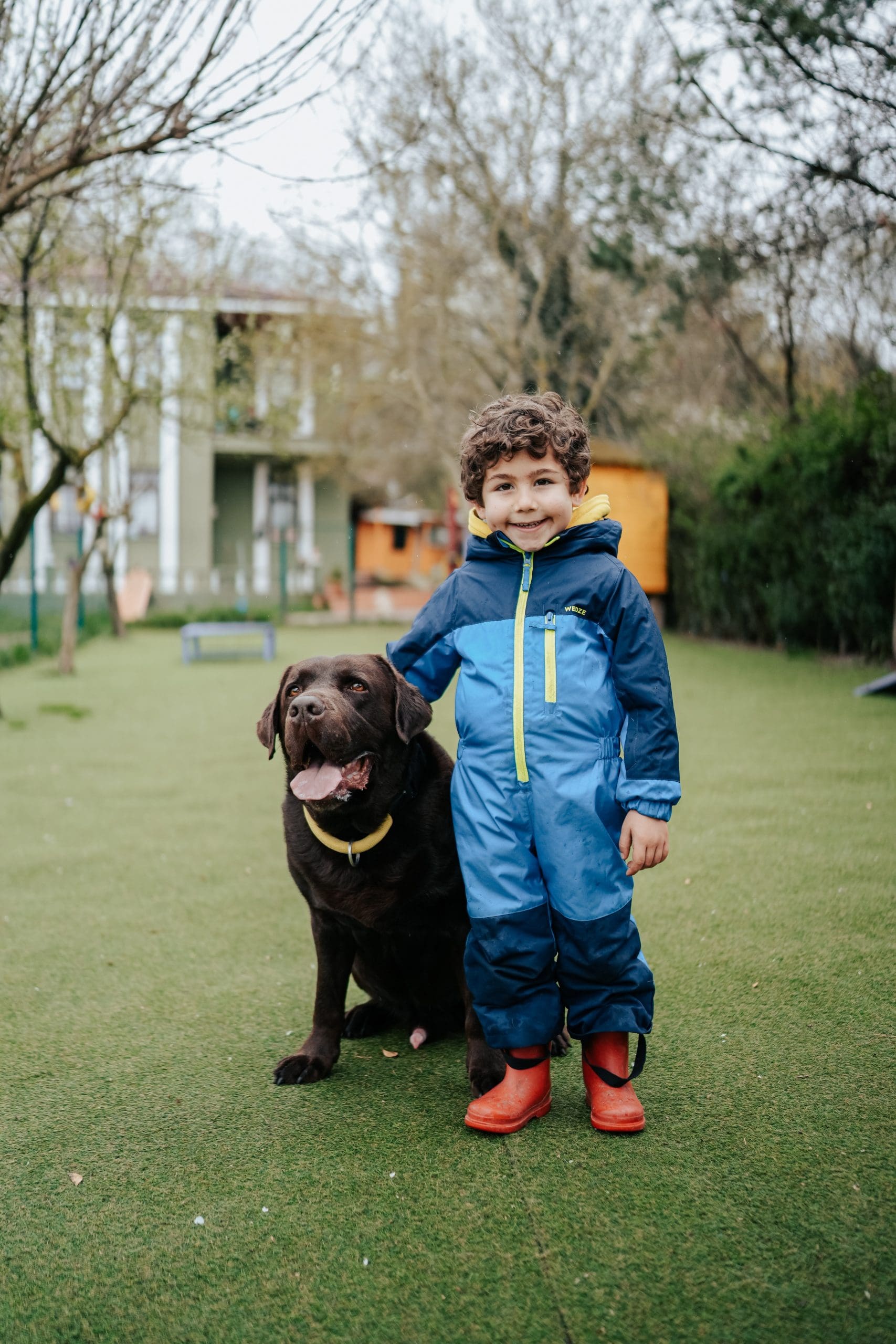
Why do dogs eat poop?
Post Date:
December 25, 2025
(Date Last Modified: February 5, 2026)
Seeing a dog eat feces is one of those moments that can make an otherwise calm owner blanch, laugh nervously, or rush for a camera — then for a cleanup plan. It matters because this behavior touches on practical concerns like hygiene, health risks and house-training, and also on the emotional side of how we understand and trust our dogs. For anyone who shares their life with a dog, knowing why it happens and what to do about it helps protect both the animal and the human–dog bond.
What coprophagia means for you and your dog
Most owners react with embarrassment, confusion, or worry. Guests notice it; social walks can become awkward; multi-dog households can have repeated exposure and more work. I typically see owners feel judged, even though the behavior is fairly common and often driven by simple causes.
The scenarios where it shows up are predictable: puppies exploring during weaning, a bored adult dog left alone in a yard, a dog in a multi-pet home where one animal leaves waste that another finds interesting, or a nervous dog that eats feces during stressful events. Each scenario has different implications for health, cleanup and training.
Emotionally, repeated episodes can erode an owner’s confidence about house manners and create a barrier to affectionate interactions (dog kisses become less appealing). Practically, it raises hygiene concerns — not just the mess, but potential parasite or pathogen exposure that may affect the whole household.
The short answer — and what to do next
At a high level, dogs may eat poop for instinctive reasons, because of nutritional or digestive signals, from boredom or stress, or to gain attention. Puppies exploring their world and mothers cleaning up after pups are typical examples of normal behavior; chronic or sudden-onset coprophagia can be a sign of medical or behavioral issues.
If you want a one-line action: supervise closely, remove access to feces, and contact your veterinarian if the behavior begins suddenly, is persistent, or is accompanied by other signs like weight loss or diarrhea.
How a dog’s biology and behavior drive coprophagia
Coprophagia (eating feces) is distinct from pica, which is eating non-food items. Coprophagia can have instinctive roots: in wild canids, removing fecal matter from a den area reduces parasite buildup and scent that could attract predators. Female dogs also lick and ingest puppy feces during early weeks to keep the nest clean; this is a normal maternal behavior that puppies may imitate.
Digestive physiology may play a role. Some dogs may not fully digest certain nutrients or enzymes, or may have conditions that reduce absorption; undigested nutrients can make stool relatively more attractive. Certain medical problems — pancreatic insufficiency, malabsorption syndromes, or conditions that alter appetite — may be linked to increased interest in feces.
Smell and taste cues are also important. The canine sense of smell is far more acute than ours, and stool carries concentrated odors and bacteria that can communicate information to a dog about diet, microbial content, or recent food. The gut microbiome and the profile of bacteria in feces may make it more palatable to some dogs than it is to people.
When and where it happens: environmental triggers to know
Life stage is a big factor: puppies often sample feces during the period when they’re exploring and during weaning transitions. I usually see a decline as they mature, but without intervention it can persist.
Stressors such as confinement, separation anxiety, or sudden changes in routine can prompt a dog to eat feces. Boredom and insufficient mental or physical exercise are common behavioral triggers — dogs with little stimulation may turn to any available activity, including scavenging.
Diet quality and feeding schedule matter. Dogs fed a diet low in certain nutrients, or those on inconsistent meal schedules, may appear to scavenge as they search for missing nutrients. Overly rapid weight loss or hunger between meals can increase the drive to sample stools encountered during walks or in the yard.
Accessibility is simple but powerful: an open yard, an unsupervised dog park, multi-dog feces in kennels or runs, and public spaces with other dogs’ droppings increase opportunities. Repeated exposure can make the habit more entrenched.
Hidden health risks and the warning signs you shouldn’t ignore
Not all coprophagia is dangerous, but there are clear signs that it needs veterinary attention. Worry if the behavior begins suddenly in an adult dog, or if it’s accompanied by weight loss, poor coat condition, increased appetite, vomiting, diarrhea, lethargy, or changes in drinking. These signs may suggest an underlying digestive, metabolic or behavioral condition.
There are infection risks. Feces can carry parasites such as roundworms or hookworms, bacteria like Salmonella, and protozoa such as Giardia; these can affect both dogs and people in close contact. Additionally, some medications and toxins passed in stool (for example, certain rodenticide metabolites or substances from a poisoned animal) could expose a dog to harm if ingested.
Recurrent behavior despite good management — for example, immediate removal of stool and prevention of access — is another red flag that suggests an internal medical driver or a deeply ingrained behavioral issue. In those cases more thorough diagnostic work and behavior intervention are likely needed.
Immediate actions owners can take: a practical checklist
- Immediate: remove feces promptly and secure access to areas where your dog can reach other animals’ droppings. Prevent repeat exposure while you assess the cause.
- Document: note when the behavior happens, how often, what type of stool is involved (your dog’s vs another animal’s), and any recent changes in diet, medications, household routine or stressors. This helps your veterinarian.
- Collect a stool sample: place a fresh sample in a sealed container and refrigerate if you can; bring it to your veterinarian for parasite testing and bacterial culture if indicated.
- Consult your veterinarian: discuss the timeline and any clinical signs. The vet may recommend fecal tests, bloodwork or trials of dietary changes when a medical cause is suspected.
- Short-term behavior controls: until you have a plan, supervise outdoor time, use leash walks rather than free-roaming in yards, and consider structured feeding so the dog isn’t hungry between meals.
Training strategies and home adjustments that actually work
Teaching reliable impulse control cues is one of the most effective long-term strategies. “Leave it” and a strong recall provide tools to interrupt behavior before your dog reaches feces. Begin training in low-distraction settings and gradually add difficulty; reinforcement should be immediate and predictable.
Management reduces opportunities while training takes effect. Sweep the yard or use rapid-pickup routines, block access to high-risk areas, and supervise interactions with other dogs. In multi-person homes, ensure everyone follows the same rules so the dog does not receive mixed signals.
Enrichment reduces boredom-driven scavenging. Regular exercise tailored to your dog’s breed and age, puzzle feeders that prolong mealtime, scent games, and short training sessions are practical ways to substitute desirable activities for poop-eating. I often recommend increasing structured mental work before outdoor free time so the dog is less likely to seek stimulation from feces.
Gear guide: safe tools for control, cleanup, and monitoring
- Long-handled scoops and heavy-duty, sealable waste bags to remove feces quickly and hygienically without close contact.
- Short-carefully-used basket muzzles for supervised prevention during transitions (only as a temporary, humane management tool while training and veterinary evaluation proceed).
- Treat-dispensing toys and slow-feeders to provide enrichment that occupies a dog’s time and reduces boredom-driven behaviors.
- Vet-recommended probiotics or digestive enzyme supplements when testing suggests digestive insufficiency; use only under veterinary guidance.
References and further reading (research and expert sources)
- Merck Veterinary Manual: “Coprophagia” — Merck & Co., Inc. (Merck Vet Manual page on canine coprophagia and related management guidance)
- Cornell University College of Veterinary Medicine: “Why do dogs eat poop?” — Cornell Feline Health Center / Cornell F.V.M. outreach materials
- American Veterinary Medical Association: “Coprophagia in Dogs” — AVMA client information and guidance
- American College of Veterinary Behaviorists: Position statements and resources on problem behaviors including coprophagia
- ASPCA Animal Poison Control: “Animal Exposure to Contaminated Feces” and practical owner guidance
- Journal of Veterinary Behavior: selected clinical reviews on coprophagia and management strategies (consult your veterinarian for copies of peer-reviewed articles relevant to a specific case)
